
Understanding NFA Regulations: Key Considerations Before Purchasing a Machine Gun
16th Sep 2024
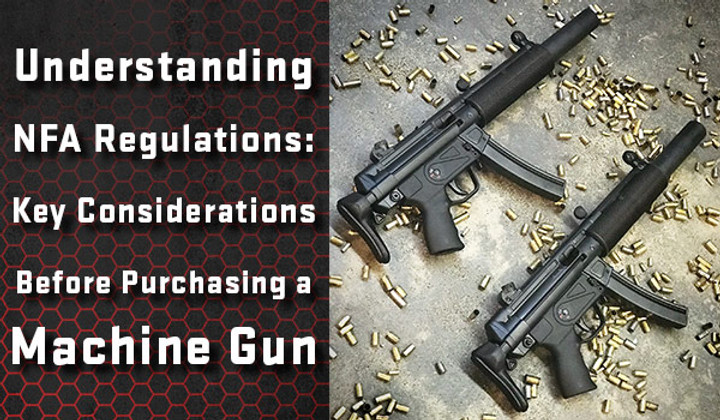
Purchasing a machine gun in the U.S. involves navigating the complex framework of the National Firearms Act (NFA). Whether you're a seasoned firearms enthusiast or someone looking to start a collection, understanding these regulations is crucial. This guide breaks down the most important aspects of NFA rules and highlights why utilizing the ATF eFile system can make the process faster and more efficient.
What Are NFA Regulations?
The National Firearms Act (NFA), established in 1934, governs the regulation of specific types of firearms, including machine guns, short-barreled rifles, short-barreled shotguns, suppressors, and other items categorized as “destructive devices.” These items, often referred to as NFA firearms, are subject to strict regulations, from manufacturing to ownership and transfer.
Machine guns, in particular, are highly regulated under the NFA, and the process to purchase one is far more involved than buying a regular firearm. Understanding and complying with these legal requirements is essential to avoid severe penalties.
Important NFA Rules for Machine Gun Ownership
Before purchasing a machine gun, it’s important to familiarize yourself with key regulations under the NFA:
- Transferable Machine Guns
Machine guns that can legally be transferred to civilians were all registered with the ATF before May 19, 1986. Known as transferable machine guns, these firearms are part of a limited inventory that can still be bought and sold. Due to their limited availability, they are highly sought after by collectors and can command a premium price.
- The $200 Tax and ATF Form 4
Purchasing an NFA firearm such as a machine gun requires completing ATF Form 4, the official document used for transferring ownership of NFA items. Alongside this, you must submit fingerprints, passport-style photos, and pay a one-time $200 tax for each machine gun transfer. This tax has remained the same since the NFA’s inception.
- Background Check and Approval
All applicants must pass a background check conducted by the ATF. Eligibility requires that you are at least 21 years old, a U.S. citizen, and free from any felony convictions. Approval times vary, but following the proper steps will ensure the process goes smoothly.
- State Restrictions
Federal law isn’t the only thing you need to be concerned with. Some states have additional restrictions or outright bans on owning machine guns. Before attempting to purchase one, be sure to check your local laws to confirm that you can legally own a machine gun in your state.
The Benefits of Using the ATF eFile System
If you're serious about buying a machine gun, using the ATF eFile system is highly recommended to expedite the process. Traditionally, the approval process through paper submissions can take up to 12 months, but with the eFile system, you can reduce wait times significantly—often down to 3 to 6 months.
Here are some benefits of using the ATF’s electronic filing system:
- Speedier Approvals: The eFile system cuts down the processing time for your ATF Form 4 application by several months.
- Reduced Errors: Submitting your paperwork electronically reduces the risk of manual errors that can cause delays.
- Real-Time Tracking: With eFile, you can track the status of your application in real-time, giving you peace of mind as your paperwork moves through the process.
By using the eFile system, you can drastically shorten the waiting period, allowing you to legally own your machine gun faster.
Transferable vs. Non-Transferable Machine Guns: What’s the Difference?
When buying a machine gun, it’s essential to understand the distinction between transferable and non-transferable firearms:
- Transferable Machine Guns: These were registered with the ATF before the cut-off date of May 19, 1986. Because of their limited number, they tend to be expensive but are the only machine guns civilians can legally own and transfer.
- Non-Transferable Machine Guns: These include machine guns manufactured after the 1986 ban. They cannot be legally sold or transferred to civilians and are typically reserved for use by military and law enforcement.
Choosing the right machine gun means focusing on transferable ones, and working with an experienced dealer is key to ensuring your purchase complies with the law.
Why Gunpoint Should Be Your First Choice for NFA Purchases
Purchasing a machine gun involves several legal steps, and having the right dealer to guide you through the process can make all the difference. Here’s why Gunpoint should be your go-to choice for NFA firearms:
- Deep NFA Expertise: Gunpoint specializes in NFA firearms, making them a trusted source for machine gun purchases. Their experienced team can assist you with every step of the process, from selecting the right firearm to submitting your paperwork.
- Comprehensive Inventory: At Gunpoint, you'll find a well-curated selection of transferable machine guns, ensuring you get top-quality, legally transferable firearms.
- Support with eFile Submissions: Gunpoint encourages all buyers to use the ATF’s eFile system to expedite the approval process. Their team will help ensure your submission is error-free and processed as quickly as possible.
- Customer Trust: Gunpoint has built a strong reputation for providing excellent customer service, ensuring a smooth and hassle-free experience for machine gun buyers.
If you're ready to take the next step in owning a machine gun, Gunpoint is here to help make the process straightforward and secure.
Final Thoughts
Purchasing a machine gun is a unique and rewarding experience, but it comes with strict legal obligations under the NFA. By understanding the regulations, utilizing the ATF eFile system, and working with a reputable dealer like Gunpoint, you can streamline the process and own your machine gun legally.
With Gunpoint’s expertise, you can be confident in making a smooth, informed purchase that complies with all federal and state laws. Whether you’re a collector or enthusiast, your journey into machine gun ownership starts with understanding the NFA regulations and choosing the right partner to guide you.