
What to Do When Inheriting a Gun Collection and Machine Guns: A Guide for Executors
28th Oct 2024
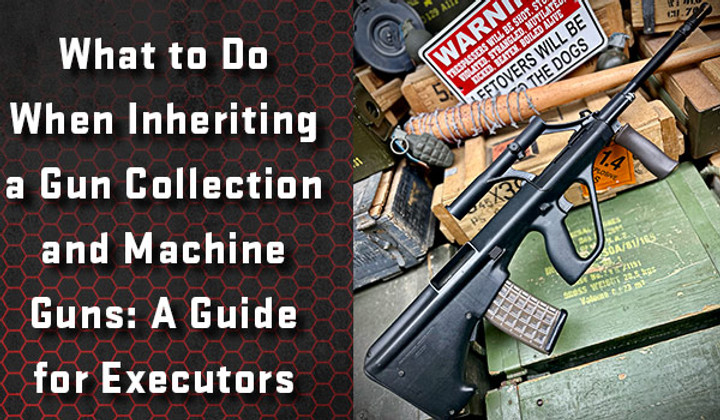
Inheriting a gun collection, especially one that includes machine guns, presents unique challenges for estate executors. Beyond the emotional weight of the inheritance, executors must navigate complex laws and regulations, ensure the safe handling and transfer of firearms, and potentially determine the best way to sell or preserve these valuable assets. This guide provides a step-by-step approach to help executors handle inherited firearms responsibly, legally, and efficiently.
-
Conduct an Inventory of the Firearms
The first step when inheriting any firearm collection is to conduct a thorough inventory. This inventory should include details such as:
- Make, Model, and Serial Number: Document the manufacturer, model, and serial number for each firearm.
- Type of Firearms: Identify whether the firearms are handguns, rifles, shotguns, or regulated items such as machine guns, suppressors, short-barreled rifles (SBRs), or short-barreled shotguns (SBSs).
- Condition and Provenance: Note the physical condition and any historical or collectible significance of each item, as these factors greatly influence value.
-
Understand Legal Regulations and Requirements
Firearm inheritance involves federal, state, and local laws that dictate ownership, transfer, and storage. Key considerations include:
- National Firearms Act (NFA) Items: Machine guns, suppressors, SBRs, and SBSs are regulated under the NFA. These items require special handling, and any transfer must comply with ATF regulations.
- State Laws: Some states have stricter regulations regarding the possession and transfer of firearms. Research the laws applicable to your location or the location of the deceased's estate.
- ATF Form 5 for Transfers: If you inherit NFA-regulated items, you may need to complete ATF Form 5 to legally transfer ownership to yourself or another eligible party. This form allows for tax-exempt transfers for estate beneficiaries.
-
Secure the Firearms Properly
Safety and legal compliance should be your top priorities when handling inherited firearms. Secure the collection in a locked, fireproof safe or storage unit. If you are uncertain about the legal status of any items, consult with a firearms attorney or a reputable dealer like Gun Point.
-
Obtain a Professional Appraisal
An accurate appraisal is essential for several reasons, including:
- Estate Valuation: The appraisal will provide an accurate market value for each firearm, which is crucial for estate planning, tax considerations, or distribution among heirs.
- Selling the Collection: If you decide to sell all or part of the collection, an appraisal ensures you receive fair market value.
Gun Point offers professional appraisal services backed by years of experience in handling rare and collectible firearms, including machine guns and NFA items. Our team assesses condition, rarity, historical significance, and current market trends to provide accurate valuations.
-
Explore Options for Selling the Collection
Executors may decide to sell the inherited gun collection for various reasons. Here are some options to consider:
- Direct Sale to a Dealer: Selling the collection directly to a trusted dealer like Gun Point can be a quick and efficient way to liquidate assets. Gun Point offers competitive prices and ensures compliance with all legal requirements.
- Consignment Sales: Consigning the firearms allows you to maximize the return on each item. Gun Point's consignment services include expert marketing, secure storage, and industry connections to attract the right buyers.
- Auction Sales: Selling rare or highly collectible items at auction may yield high returns but involves auction house fees and waiting for sales events.
-
Working with Estate Executors and Beneficiaries
As an executor, you have a fiduciary duty to manage and distribute assets according to the deceased's wishes and applicable laws. Consider the following steps:
- Communication with Beneficiaries: Communicate openly with other heirs to determine if any family members wish to retain specific firearms.
- Legal Guidance: Consult with an attorney familiar with firearms laws and estate planning to ensure compliance throughout the process.
-
Tax and Legal Implications
The transfer and sale of firearms may have tax implications, especially when dealing with high-value or NFA-regulated items. Consult with a tax advisor or estate attorney to understand the potential tax liabilities and exemptions available.
Why Work with Gun Point?
Gun Point specializes in buying and consigning gun collections, including rare and collectible machine guns. Our team provides:
- Expert Appraisals and Competitive Offers
- Hassle-Free Consignment Services
- Legal and Compliance Expertise
- Quick Turnaround and Payment
Conclusion
Inheriting a gun collection or machine guns can be daunting, but with the right guidance, you can manage the process smoothly and ensure compliance with all legal requirements. Gun Point is here to support you every step of the way, providing expert appraisals, consignment services, and secure sales to maximize the value of your inherited firearms.